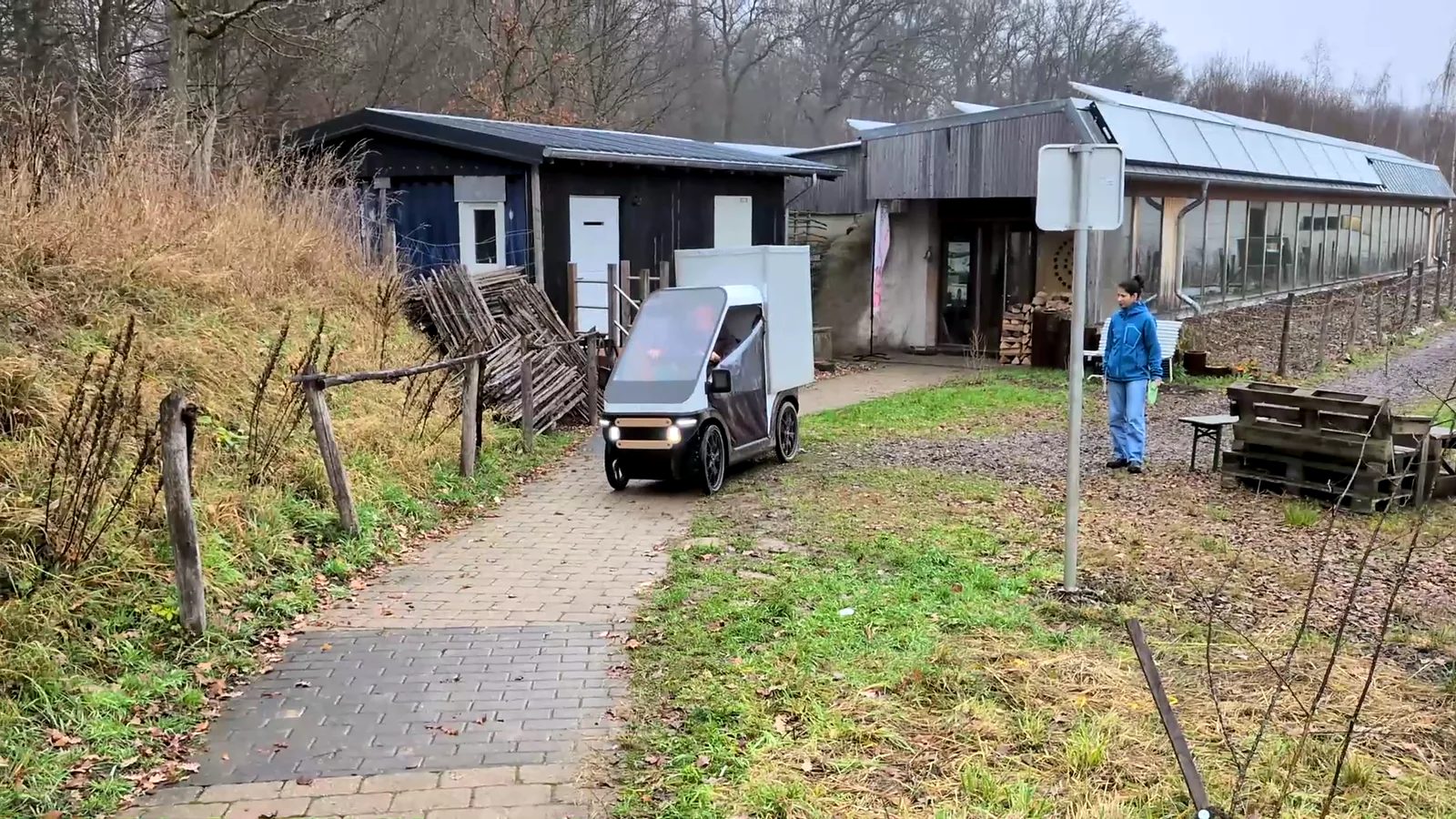
Start with a lived situation.
An everyday journey, a municipal task, a class or a concrete difficulty becomes the starting point for the investigation.
 MOBILABGreater Region
Citizen action research · Greater Region
01 · Understand
How can we reduce dependence on cars for everyday journeys? MOBILAB brings residents, young people, associations, public services and researchers together to compare options before deciding.
I would like to take partPreparing the 2027–2028 programmes · making contact entails no purchase or funding commitment
The shared framework
Clarify needs and conditions.
Investigate, create and facilitate with young people.
Test options according to each project’s timetable.
01 · Situate the need
An approach, not a showcase
MOBILAB does not promote any particular vehicle model. It explores ecological transformation through everyday practices, dependencies, local capabilities and the potential consequences for different groups.
An everyday journey, a municipal task, a class or a concrete difficulty becomes the starting point for the investigation.
Needs, alternatives, costs, constraints and disagreements are documented before an option is chosen.
A trial may lead to continuation, adaptation, suspension or termination. The outcome remains open until the assessment is complete.
Understand lightweight intermediate vehicles
Lightweight intermediate vehicles, or vélis, are lighter than a car and offer varying transport capacity and protection. They do not all belong to the same legal category. According to the manufacturer’s specifications, the Karbikes demonstrator is an electrically assisted cargo cycle with pedal assistance limited to 25 km/h. It is not a 45 km/h véli.
Understand vélis and their conditions of useWhat the work should produce
A use situation documented with the people concerned.
A comparison with existing solutions: costs, accessibility, energy and materials.
Safety, maintenance, authorisation and cooperation requirements checked before a trial.
A reasoned recommendation: continue, adapt, suspend or stop. The decision belongs to the competent authority.
Collaborative platform · invitation-only access
Between meetings, the platform connects use cases, sources, contributions, versions and decisions. Each authorised member has a profile linked to their organisation, territory and role.
Connect each piece of information to its source, method, scope and limitations.
Record options, conditions, responsibilities, deadlines and revisions.
Preserve the context of workshops, documents and decisions so they can be understood and discussed.
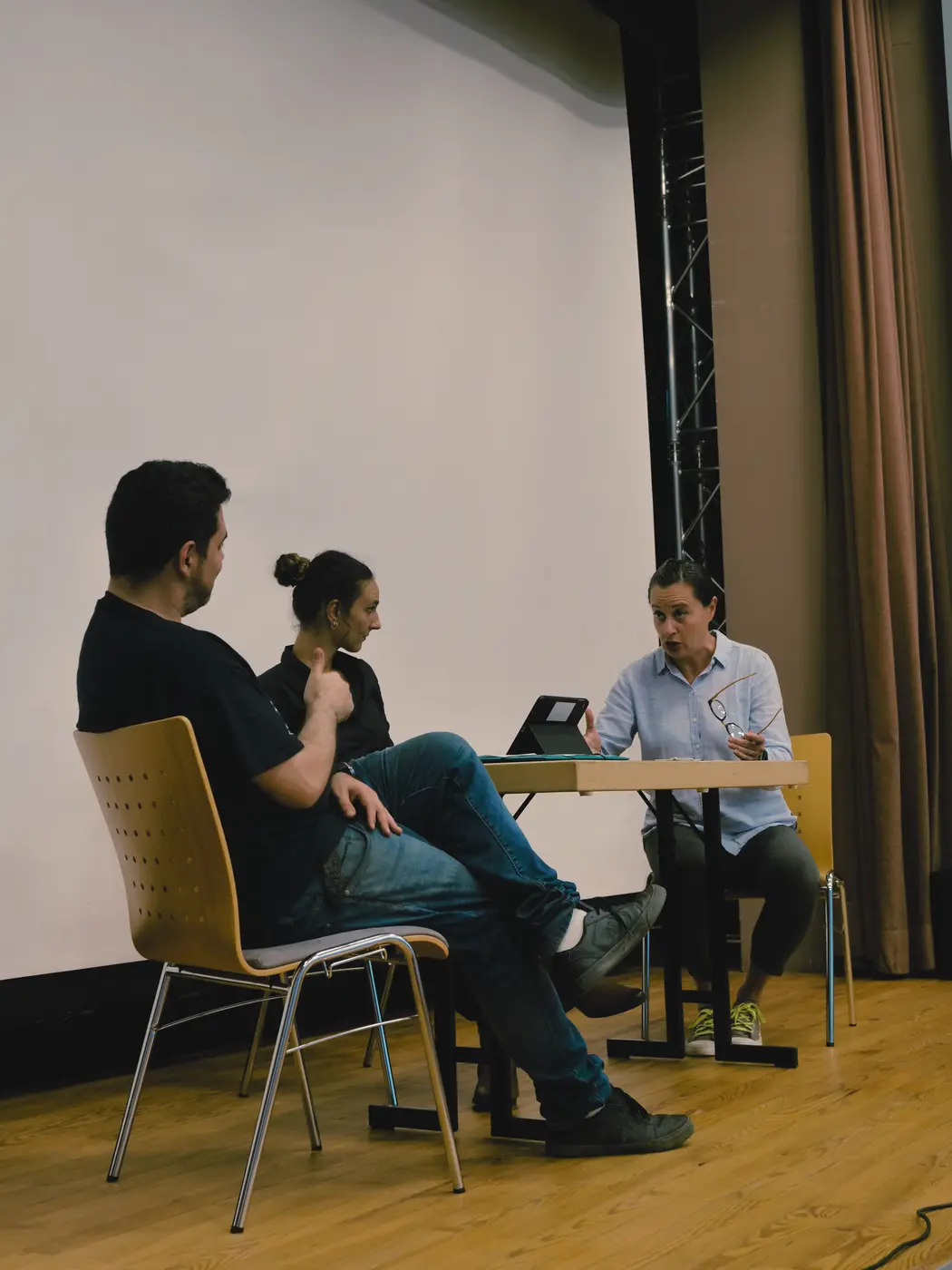
The discussions identified five capabilities to build: understanding, experimenting, maintaining, cooperating and deciding.
Read the reportPersonal access by invitation. There is no open public registration.
02 · Organise the programme
Three components · distinct statuses
Assessment prepares the cases; the LTC-PSP educational strand enables young people to investigate and share what they learn; the three territorial projects put options to the test. Shared activities are organised together, with tasks and outcomes clearly allocated.
Under way until December 2026
01 · Territorial assessment programmeThis phase identifies needs, brings actors together, allocates responsibilities and checks the conditions for a possible commitment. It does not constitute a municipality’s agreement or a decision to run a trial.
Start envisaged on 1 January 2027
02 · Transition Lab · educational strand in preparationThe LTC-PSP educational strand connects field investigations, game creation and peer facilitation. Lycée technique du Centre is the proposed pilot school. The programme covers 2027–2028, with a second cohort conditional on the 2027 review.
ZFT: March 2027–June 2028 · TNT timetable to be confirmed
03 · MOBILAB Territoires · three projects in preparationZFT Nord, ZFT Sud and TNT Chiers-Alzette: three parallel projects to compare options in real situations. Each application retains its own scope, timetable and budget. Selection, funding and partnerships still need to be formalised.
03 · Pass on the ability to investigate
Transition Lab · educational strand in preparation
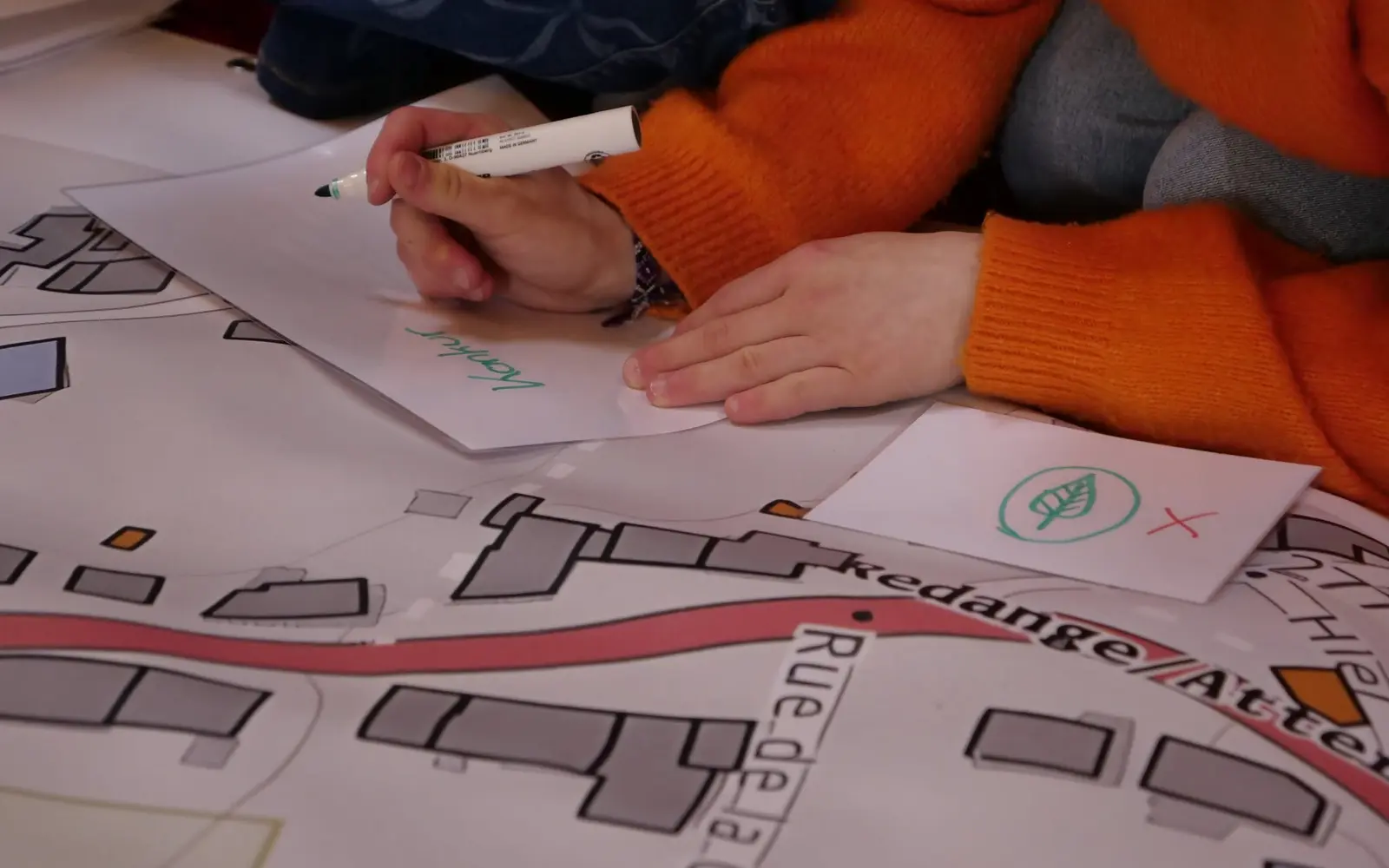
Subject to agreements with the school, partners and funders, young people will work on real situations, build evidence, turn their findings into a board game and then facilitate sessions with their peers.
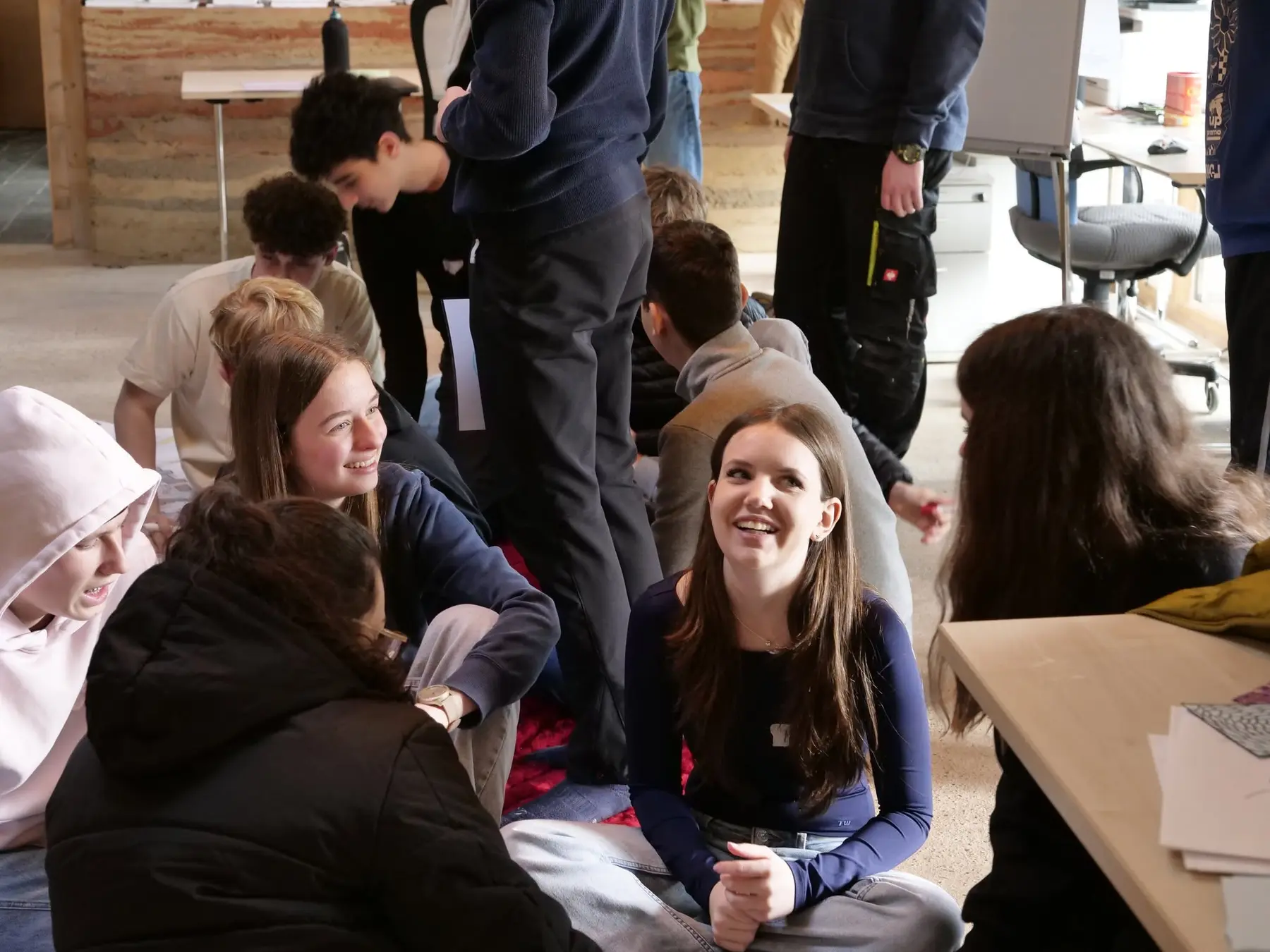
01 · Investigate
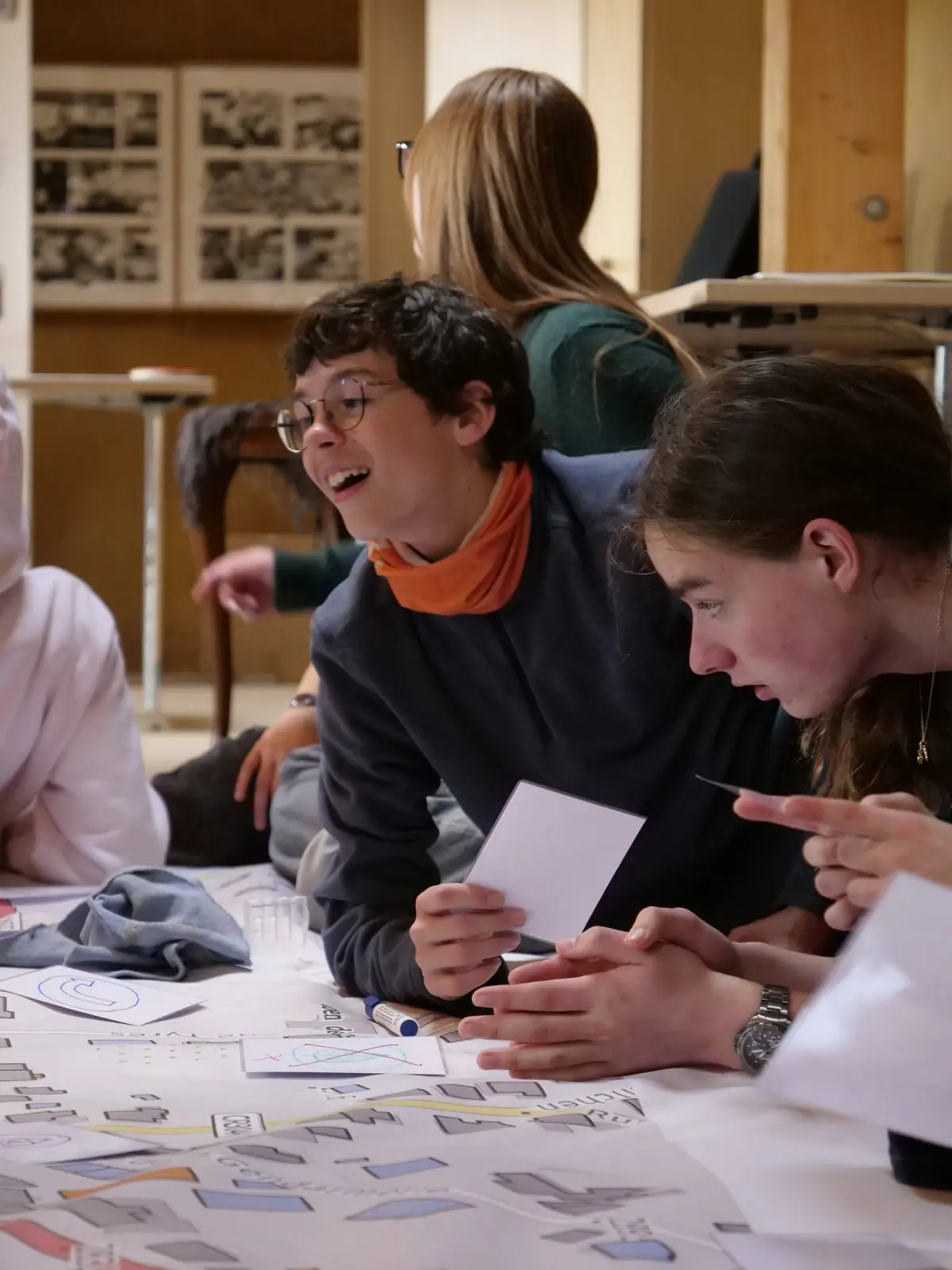
02 · Create the game
03 · Facilitate
Shared educational strand · agreements and session arrangements to be clarified
Discover the educational pathway04 · Root the work locally
Working structure · agreements to be formalised
MOBILAB Greater Region envisages three cooperation frameworks. This structure helps prepare partnerships and use cases. It does not mean that the organisations concerned have been selected, funded or committed.
Cross-border functional zone
Build on the documentary assessment already produced to select cases and check trial conditions in ZFT Nord.
Cross-border functional zone
Compare situations, alternatives and trial conditions in a cross-border living area.
Cross-border natural territory
Connect mobility needs with services, local capabilities and links across the French–Luxembourg border.
Proposed frameworks · scope, roles and commitments to be confirmed
These three local settings form the MOBILAB Territoires strand. They are not three successive stages: the method is shared, while the projects remain separate. The provisional timetable must be validated with each managing organisation.
Explore territorial cooperation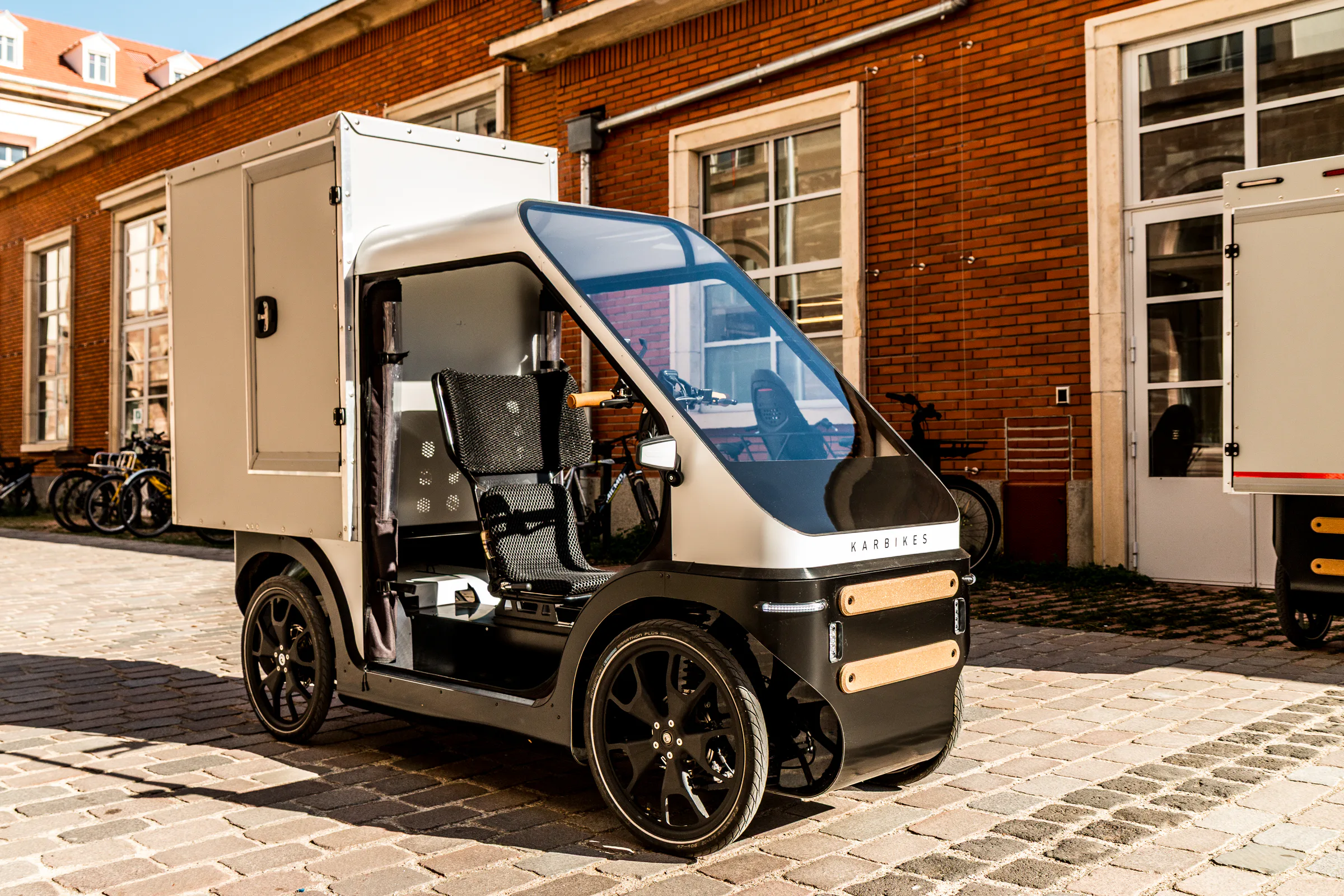
05 · Investigate a situation
Take part in the preparatory phase
An everyday journey, a municipal task, a class, a reasoned objection or targeted expertise can open an investigation. Coordination reviews each proposal before granting access or making a commitment.
The first contact helps clarify the need and possible role. It entails no purchase, trial or financial partnership commitment. Personal platform access may then be offered to the selected partners.